


Mobile connectivity in Nigeria has become essential for banking, business and everyday life, but electricity shortages continue to threaten the reliability of telecom infrastructure. Behind dropped calls and failed data connections is often a power disruption at the network sites that keep mobile services running.
The vulnerability came into focus on September 24 when 9mobile subscribers nationwide lost access to data, USSD and other services after power outages affected the operator’s sites. The Nigerian Communications Commission (NCC) classified the incident as a major outage.
The disruption was not an isolated incident. Another nationwide 9mobile outage in August was also linked to power failure, highlighting the dependence of mobile networks on a stable electricity supply and the wider impact of Nigeria’s power challenges on telecommunications.
The scale of that dependence is significant, with NCC data showing about 195 million active telephone subscriptions as of July 2026 and a teledensity rate of 90 per cent. Supporting those connections is an extensive network of telecommunications infrastructure spread across the country.
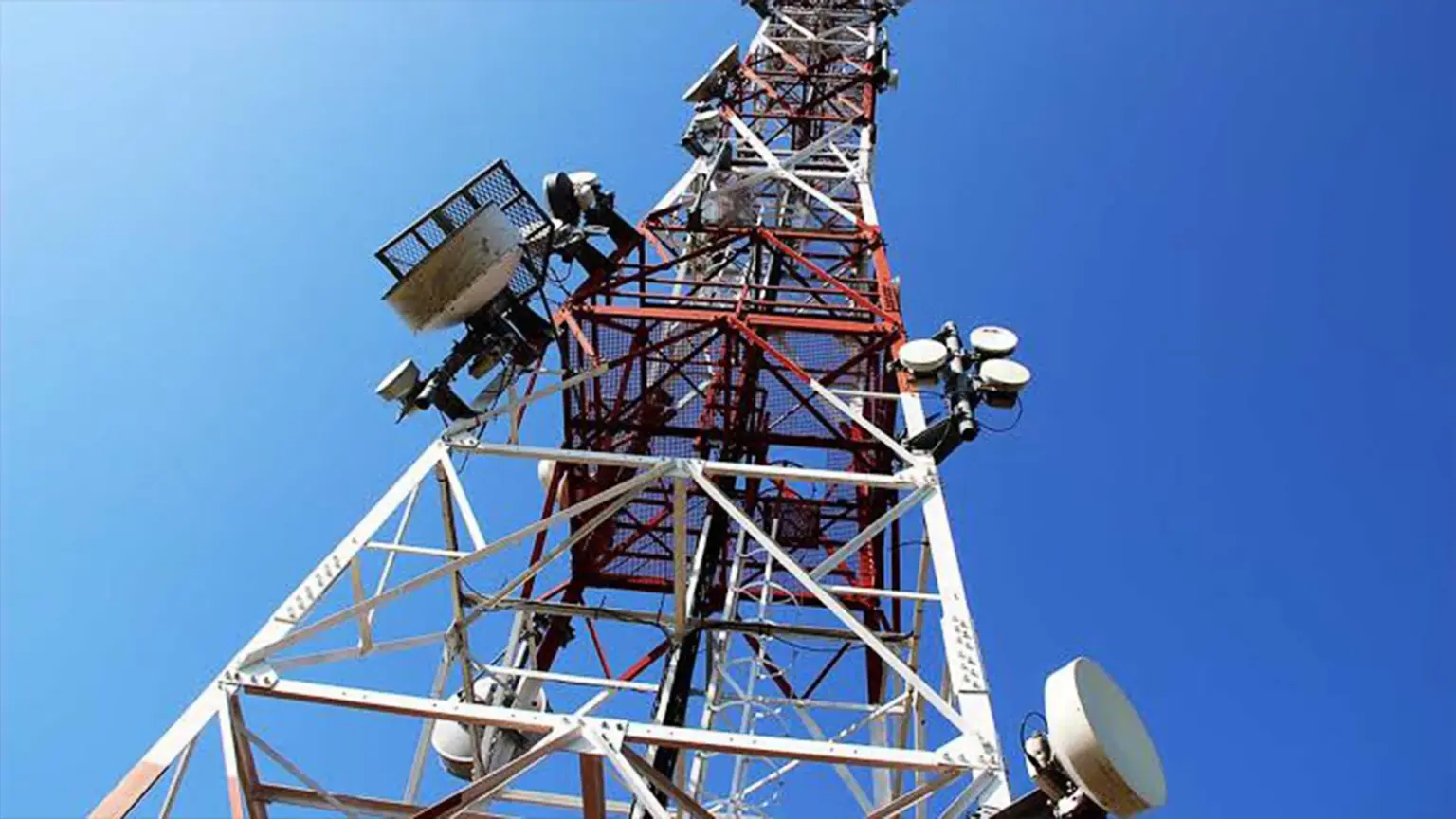
Nigeria had about 145,141 base transceiver stations (BTS) by the end of 2024, alongside an estimated 39,880 telecommunications towers. While a BTS houses the radio equipment that connects mobile devices to the network, the tower provides the physical structure on which the equipment is mounted.
The recurring outages therefore highlight a broader challenge for Nigeria’s telecommunications sector: maintaining reliable power for the infrastructure supporting millions of mobile connections. Continued disruptions at network sites can affect access to calls, data and essential digital services, making power reliability a critical part of telecom service delivery.