


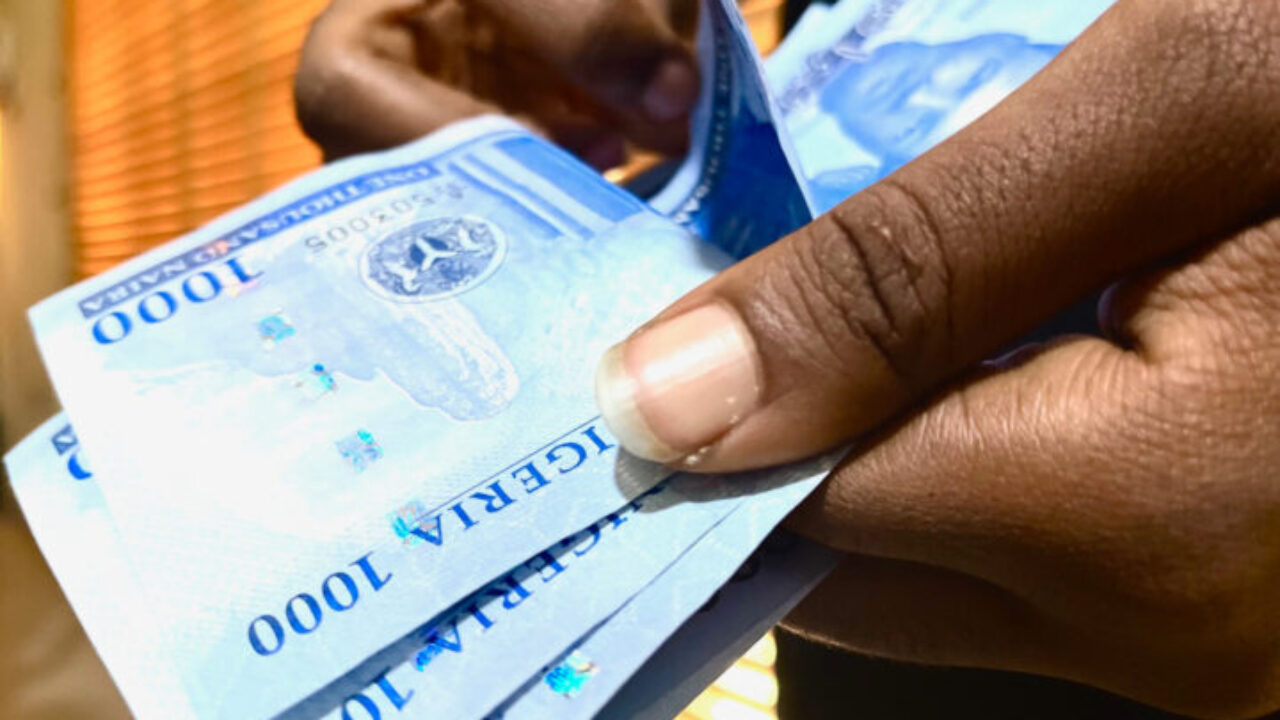
The Central Bank of Nigeria has warned that the continued damage of naira notes is increasing the resources required to replace soiled, worn-out and mutilated currency.
The Director, Currency Operations and Branch Management, CBN, Dr Adedeji Adetona, disclosed this on Monday in Kano during a sensitisation campaign on the proper handling of the naira.
Adetona, who was represented by the Deputy Director, Currency Operations Department, Ibrahim Yahaya, said the campaign was aimed at encouraging Nigerians, particularly traders and other frequent users of cash, to handle banknotes properly.
He said the CBN and the Federal Government spend substantial resources replacing notes that become dirty, damaged or mutilated while in circulation. According to him, better handling of the currency would extend the lifespan of banknotes and reduce the resources required for their replacement.
“The key message is about proper handling of the Naira. The Naira is the symbol of our sovereignty. It is our national pride, and we need to handle the Naira very carefully and effectively,” Adetona said.
The CBN official said markets were selected for the campaign because they are major centres of cash transactions, with traders receiving and handling large volumes of banknotes from customers. He said engaging traders was therefore an important part of efforts to improve the condition of currency in circulation.
The sensitisation campaign began at Galadima Market and is expected to extend to other major markets in Kano, including Sabon Gari, Abattoir, Yankaba, Tarauni, ‘Yan Lemo and Dawanau International Grains Market. The CBN also used the exercise to demonstrate proper ways of handling the naira and distributed money purses to some traders.
However, the traders also raised concerns about the role of commercial banks in the circulation of damaged notes. The Chairman of the Galadima Market Traders Association, Mustapha Shuaibu Sulaiman, called on the CBN to ensure that commercial banks stop issuing dilapidated notes to customers, saying such notes often find their way back into circulation.
The development highlights the shared role of cash handlers and financial institutions in maintaining the quality of naira notes in circulation, as the CBN seeks to reduce the frequency with which damaged currency has to be withdrawn and replaced.