


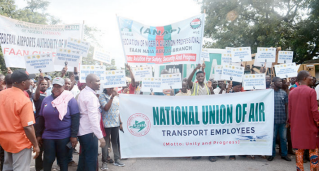
The events of August 11, 2026, have raised questions about the value of disruptive union action in Nigeria’s aviation industry, where airlines already face high fuel prices, multiple charges, foreign exchange pressures and fragile profitability. Aviation unions picketed Air Peace operations at Lagos and Abuja airports, disrupting more than 70 Air Peace flights and over 30 United Nigeria Airlines flights. Air Peace estimated its loss at more than N2 billion, while media estimates put the combined impact on both airlines at about N3 billion. Passengers also lost time, connecting journeys were disrupted and confidence in domestic air travel suffered.
The unions said the action was necessary over alleged non-remittance of the five per cent Ticket Sales Charge (TSC) and claims that some airline workers were prevented from joining unions. However, Executive Chairman of United Nigeria Airlines and spokesperson of the Airline Operators of Nigeria, Prof. Obiora Okonkwo, gave a different account at the 30th Annual Conference of the League of Airport and Aviation Correspondents in Lagos. He alleged that the action targeted Air Peace and United Nigeria, describing the airport disruption as damaging to the industry. The unions maintain that their objective is to protect workers and promote a financially stable, peaceful and safe aviation sector.
Trade unions have a legitimate role in protecting workers from unfair dismissal, unsafe conditions, discriminatory practices and poor remuneration. In aviation, they can also provide channels for pilots, engineers, cabin crew and other workers to raise safety concerns. However, there is a clear difference between constructive collective bargaining and industrial disruption. Unions that negotiate better pay, safety procedures, training, pensions, insurance and working conditions provide measurable value, while repeated airport blockades can cause major losses to airlines and passengers.
Another issue is whether union membership is compulsory. Nigeria’s legal framework protects the right to form or belong to a trade union, but also protects voluntary membership. Air Peace has maintained that its workers chose not to unionise and that the company did not prevent them from exercising their rights. The unions dispute this and insist workers must be free to organise without intimidation. Where rights are allegedly violated, specific cases should be presented for investigation rather than addressed primarily through industrial disruption.
The TSC dispute is also central to the crisis. Okonkwo said airlines had been remitting the charge before financial pressures intensified, particularly after aviation fuel rose to about N3,300 per litre. He said airlines later agreed with the Nigerian Civil Aviation Authority and the Ministry of Aviation on repayment plans for outstanding debts. If statutory payments remain outstanding, the appropriate response should be regulatory enforcement through audits, reconciliation, payment plans, sanctions and, where necessary, the courts, rather than airport shutdowns.
Going forward, unions should provide clear evidence of alleged labour-rights violations and establish transparent benchmarks for salaries, pensions, insurance, safety, working hours and training. TSC disputes should also be separated from unionisation issues because they concern different matters. Airport picketing should remain a last resort, while the Federal Government could establish a permanent aviation labour-industry mediation framework involving airlines, unions, the NCAA, the Ministry of Aviation and independent mediators. Nigeria needs unions capable of securing better conditions for workers while helping airlines remain strong enough to sustain employment.