


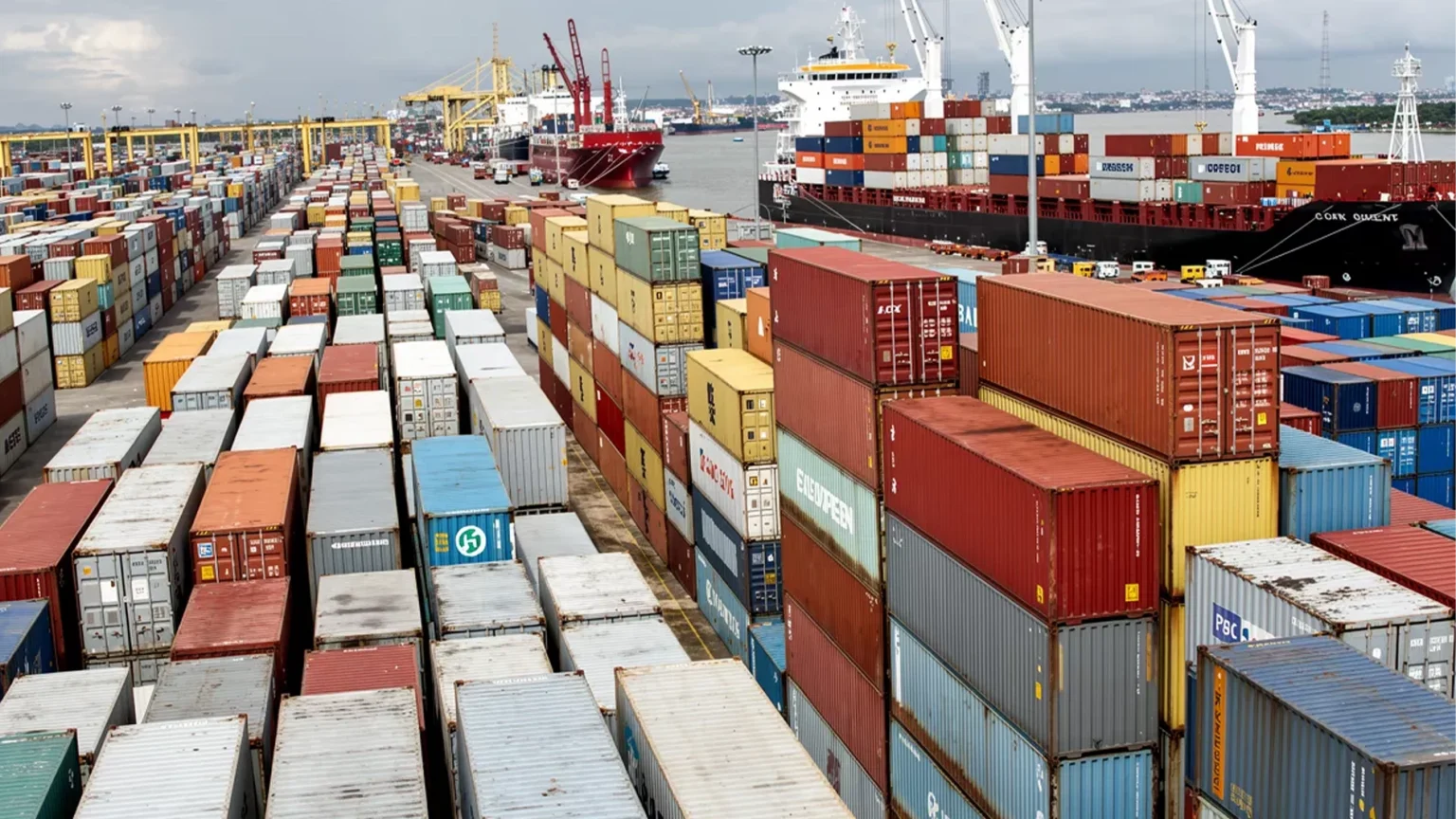
If you’ve ever tried to pay an international supplier as an importer, you already know the truth that nobody talks about publicly: international trade payments are broken.
Imagine having containers of electronics, raw materials, or textiles ready to ship from a factory in Shenzhen or London. Your suppliers want their money, but your local bank tells you there is a “dollar scarcity,” and your wire transfer could take up to a week to clear. Meanwhile, your local currency is losing value by the day, and your goods are stuck at the port.
This exact headache is why serious business owners are ditching the old way of doing things. Today, a large percentage of crypto-active users in Africa hold stablecoins, and a massive chunk of that isn’t for trading; it’s for business. Importers are rapidly moving toward digital asset infrastructure to bypass banking delays, save money, and keep their supply chains moving at the speed of light.
Here is exactly why the switch is happening and how it works for you, especially what it means to “pay with Stablecoins”.
A Stablecoin is just a digital dollar. Unlike volatile cryptocurrencies that jump up and down in price every hour, stablecoins like USDT are pegged 1:1 to the US Dollar. One digital token is always worth one real dollar.
When you pay with a stablecoin payment infrastructure, you aren’t doing anything complicated. You simply use local payment rails to swap your Naira, Cedis, or Shillings for digital dollars, and then send them directly to your supplier’s digital wallet.
The software that makes this magic happen is called a Stablecoin API. It’s like a digital plug that fintech companies and banks use to connect traditional cash to the blockchain, making transactions happen in minutes instead of days.
Let’s get specific about what international wire transfers actually cost importers. Most business owners don’t realise the full damage until they sit down and add it up.
Say you’re importing $50,000 worth of textiles from a supplier in Bangladesh. Here’s what your bank doesn’t tell you:
Wire transfer fee:5%–8%
FX spread (hidden): Typically 2.5–4% — that’s $1,250–$2,000 silently extracted from the conversion
Receiving bank fee in Bangladesh: $25–$50 (often charged to your supplier, but it sours the relationship)
Intermediary bank fees: $10–$30 per intermediary bank in the chain, and there are usually 2–3 of them
Time cost: 5–7 business days where your money sits in limbo and your supplier waits.
The Main Reasons Importers Are Making the Switch
You work hard to source the best products for your customers. You shouldn’t have to fight your bank just to pay for them. Here is why importing teams care about this technology:
Instant Settlement (Goodbye, 3-Day Wait)
Traditional international bank wires (SWIFT) are slow because your money has to travel through multiple “correspondent banks” before it hits your supplier. If there’s a public holiday or a time-zone mismatch, your funds sit in limbo.
The Stablecoin Fix: Because stablecoins live on the blockchain, they operate 24/7/365. You can pay your supplier on a Sunday night, and the money lands in their wallet in under ten minutes.
Massive Cost Savings
Traditional banks and money transfer operators can charge between 5% and 8% in hidden fees and exchange rate markups when sending money into or out of Africa.
The Stablecoin Fix: International payments powered by crypto infrastructure usually cost between less than 3%. For an importer moving $50,000 worth of stock, that’s thousands of dollars saved on a single shipment.
If you’ve ever looked at a bank fee statement and felt like crying or laughing out loud, this fix was made just for you.