


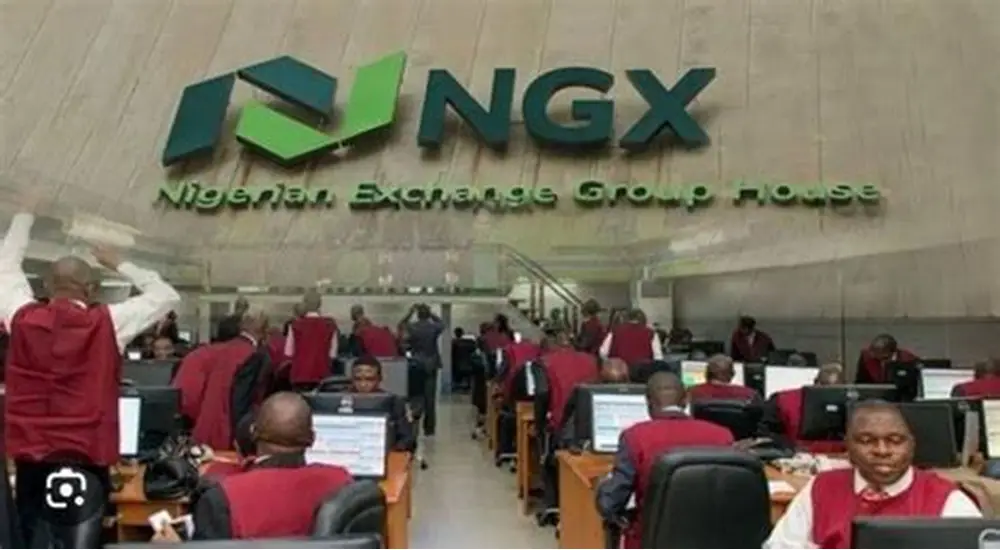
Nigeria’s financial markets are heading into the final quarter of 2026 with investors facing a new set of signals from crude oil prices, interest rates and the foreign exchange market after equities recorded another strong quarterly gain.
The Nigerian Exchange All-Share Index rose 9.50 per cent in the third quarter to close September at 251,211.67 points, lifting its year-to-date gain to 61.43 per cent. The strong performance has, however, been followed by a shift towards more selective positioning as investors assess corporate earnings, liquidity and other market fundamentals.
Proshare, in its review of the third-quarter market performance, said the NGX was moving from broad-based repricing to a more selective phase, with liquidity, monetary easing, corporate earnings expectations and investors’ ability to absorb new securities expected to influence market performance.
Crude oil prices remain a major factor for Nigerian assets. Brent crude averaged $99.95 per barrel in September, representing a 14.43 per cent increase during the month, according to the Financial Markets Dealers Association. Higher oil prices could support Nigeria’s external position, although sustained increases could also add to inflationary pressures.
The oil and gas sector was among the stronger performers on the equities market in September, with the NGX Oil & Gas Index rising 18.86 per cent, compared with the 2.87 per cent gain recorded by the broader All-Share Index during the month.
On the foreign exchange market, the naira appreciated by 1.39 per cent against the dollar in September, while gross external reserves stood at about $54.92bn. The stronger external buffer and improved FX conditions have provided support for the naira.
Coronation Asset Management expects the naira to remain broadly stable in the near term, supported by stronger external buffers and improved FX market conditions. It projected that the Nigerian Foreign Exchange Market rate could trade within the N1,300-N1,350/$1 range, barring a significant deterioration in global risk sentiment, a sharp decline in oil prices or other external shocks.
Interest rates are also expected to remain central to market positioning after the Central Bank of Nigeria cut its Monetary Policy Rate by 350 basis points from 26.5 per cent to 23 per cent in September, while retaining the Cash Reserve Requirement for deposit money banks at 45 per cent.