


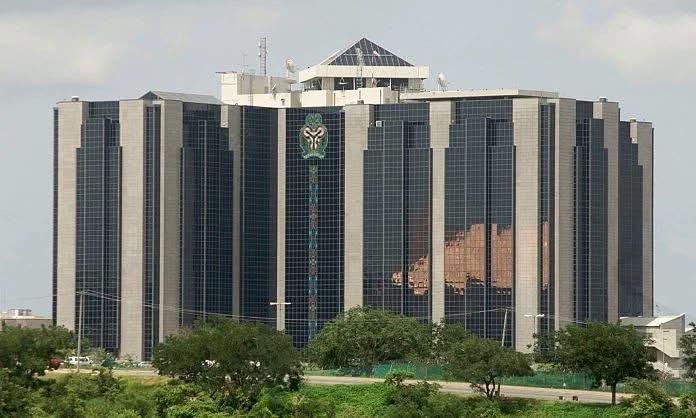
Money market rates continued to ease on Thursday as liquidity in Nigeria’s banking system remained above N7tn, while Treasury bill yields also declined following the Central Bank of Nigeria’s latest policy decision.
System liquidity declined by 4.02 per cent to N7.15tn from N7.45tn on Wednesday, according to AIICO Capital. Despite the day-on-day decline, liquidity remained significantly above the N3.99tn recorded on Monday.
The movement in short-term rates came after the CBN’s Monetary Policy Committee cut the Monetary Policy Rate by 350 basis points to 23 per cent at its September 21–22 meeting. The central bank also recalibrated the Standing Facilities Corridor to +50/-300 basis points around the new MPR.
AIICO Capital said the Open Policy Rate fell by 20 basis points to 20.80 per cent, while the overnight rate declined by 78 basis points to 20.98 per cent on Thursday.
The decline in short-term rates came amid elevated liquidity in the banking system. AIICO Capital said system liquidity had risen for four consecutive days before falling on Thursday, reaching N7.45tn on Wednesday from N6.91tn on Tuesday.
Treasury bill yields also moved lower across the curve. The 365-day bill yield fell by 60 basis points to 18.52 per cent, while the 91-day and 180-day bills eased to 18.05 per cent and 17.92 per cent, respectively. The average Treasury bill yield consequently declined to 18.16 per cent.
The decline in Treasury bill yields followed lower stop rates at the latest Treasury bill auction, with the repricing extending into the secondary market. AIICO Capital said the 365-day bill recorded the largest decline on Thursday.
The increase in system liquidity earlier in the week was partly linked to cash flows from maturing instruments. AIICO Capital reported that liquidity rose from N2.86tn on September 18 to N3.99tn on September 21, before climbing to N6.91tn on Tuesday and N7.45tn on Wednesday.
The continued decline in money-market rates and Treasury bill yields puts the focus on how excess liquidity will be managed under the CBN’s new policy rate framework.
Further movements in short-term rates will depend partly on the balance between liquidity entering the banking system and the amount of liquidity absorbed by the CBN through instruments such as Open Market Operations.
For now, elevated system liquidity and the lower policy-rate environment are putting downward pressure on money market rates and Treasury bill yields.