


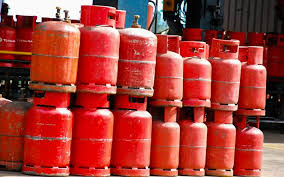
Despite repeated assurances of cheaper and sufficient cooking gas in the
country, many households in Nigeria are worried that the price has remained
sky-high, hitting N2,500/kg in some jurisdictions.
Many Nigerians have expressed their frustration over the matter, describing it as
worsening their excruciating hardship since the removal of fuel subsidy in 2023.
According to them, feeding has become a nightmare with costly gas adding to
their list of challenges.
Esther Adam, a housewife in Lagos wondered why government which
encouraged Nigerians we should dump fire wood, charcoal, and kerosene, and
embrace gas is not doing anything to check the skyrocketing cost of cooking
gas.
Experts contend that Nigeria’s ambitious plan to become a gas-powered
economy by 2030, under the Decade of Gas Initiative, is now threatened with
the soaring price of cooking gas. They said millions of households have been
forced back to firewood, charcoal and other dirty fuels. The development is now
undermining the Federal Government’s clean cooking agenda and threatening
key targets under the Decade of Gas Initiative.
Despite possessing Africa’s largest proven gas reserves of over 200 trillion
cubic feet and ranking among the continent’s leading LPG producers, Nigeria is
witnessing an alarming reversal in household energy transition, with the cost of
Liquefied Petroleum Gas (LPG) rising by as much as 50 per cent in recent
months amid supply shortages, distribution bottlenecks and pricing distortions.
This has raised concerns among industry stakeholders and energy experts who
warn that unless urgent interventions are implemented to address supply
constraints and affordability challenges, years of progress in promoting clean
cooking, reducing deforestation and improving public health could be wiped out
before the government’s 2030 target is reached.
The acute product shortages have persisted at depot level over the past two
months. some retail outlets have remained out of stock for as long as two weeks,
while marketers are forced to keep trucks in long queues at depots before
securing supplies.
Stakeholders attributed the worsening cooking gas crisis to regulatory failures,
exchange-rate volatility, the delisting of some offtakers by the Nigeria LNG
Limited (NLNG) and supply disruptions across the LPG value chain.
The President of the National Association of Liquefied Petroleum Gas
Marketers Association of Nigeria (NALPGAM), Mr. Edu Inyang, attributed the
recent rise in prices and supply shortages to disruptions in product availability
and market practices requiring urgent regulatory scrutiny.
Inyang said marketers have been grappling with inadequate product availability
despite growing consumer demand for LPG, driven by increasing adoption of
cooking gas and rising petrol prices that have encouraged some users to switch
to gas-powered alternatives.
According to him, the association has maintained regular engagements with key
industry stakeholders and the Nigerian Midstream and Downstream Petroleum
Regulatory Authority (NMDPRA) in a bid to resolve the situation.