


… As crude prices crash to $88 per barrel
 Federal Government has commenced the payment of outstanding debts estimated at between N60 and N70 billion owed to independent petroleum marketers, a move expected to ease liquidity challenges in the downstream sector and improve fuel distribution across the country
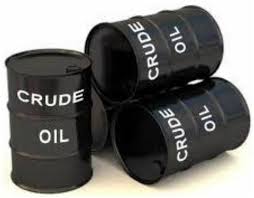
The development came as global crude oil prices plunged by more than eight per cent yesterday following signs of de-escalation in the conflict between the United States and Iran, reducing fears of supply disruptions that had pushed Brent crude above $100 per barrel in recent weeks.
Speaking on the debt repayment, President of the Independent Petroleum Marketers Association of Nigeria (IPMAN), Elijah Shettima, said marketers had started receiving payment alerts, although the amounts paid so far had not yet made a significant impact. According to him, the leadership of the Nigerian Midstream and Downstream Petroleum Regulatory Authority (NMDPRA) had engaged stakeholders shortly after assuming office and sought their views on key issues affecting the industry.
Shettima expressed confidence in the current management of the Authority, describing it as experienced and knowledgeable about the oil and gas industry. “Our major appeal is for the Authority to clear the outstanding debts owed to independent petroleum marketers. If these debts are settled, it will go a long way in helping them return to full operations,” he said.
He noted that many marketers had been unable to operate optimally because of the unpaid debts, stressing that the financial burden had weakened their businesses. According to him, the total outstanding debt is estimated at between N60 and N70 billion. “We have noticed that payments have started, which is encouraging. However, based on what we have seen so far, the amount released is not sufficient to make a meaningful impact. We have received payment notifications and are waiting to confirm the exact amounts credited,” Shettima added.
The marketers also urged the government to improve access to petroleum products by allowing independent marketers to purchase directly from suppliers instead of relying on third-party intermediaries.
According to the association, direct access to products would reduce costs, improve efficiency and create a more competitive and predictable downstream petroleum market.
Meanwhile, the international oil market recorded a sharp reversal after the United States and Iran signalled a temporary halt to hostilities following nearly two weeks of escalating tensions.
At the time of filing this report, Brent crude was trading at $88.65 per barrel, down 8.65 per cent, while U.S. West Texas Intermediate (WTI) crude fell 6.95 per cent to $82.36 per barrel.
The decline followed indications from Washington that it would temporarily suspend its bombing campaign against Iran to allow room for diplomacy.