


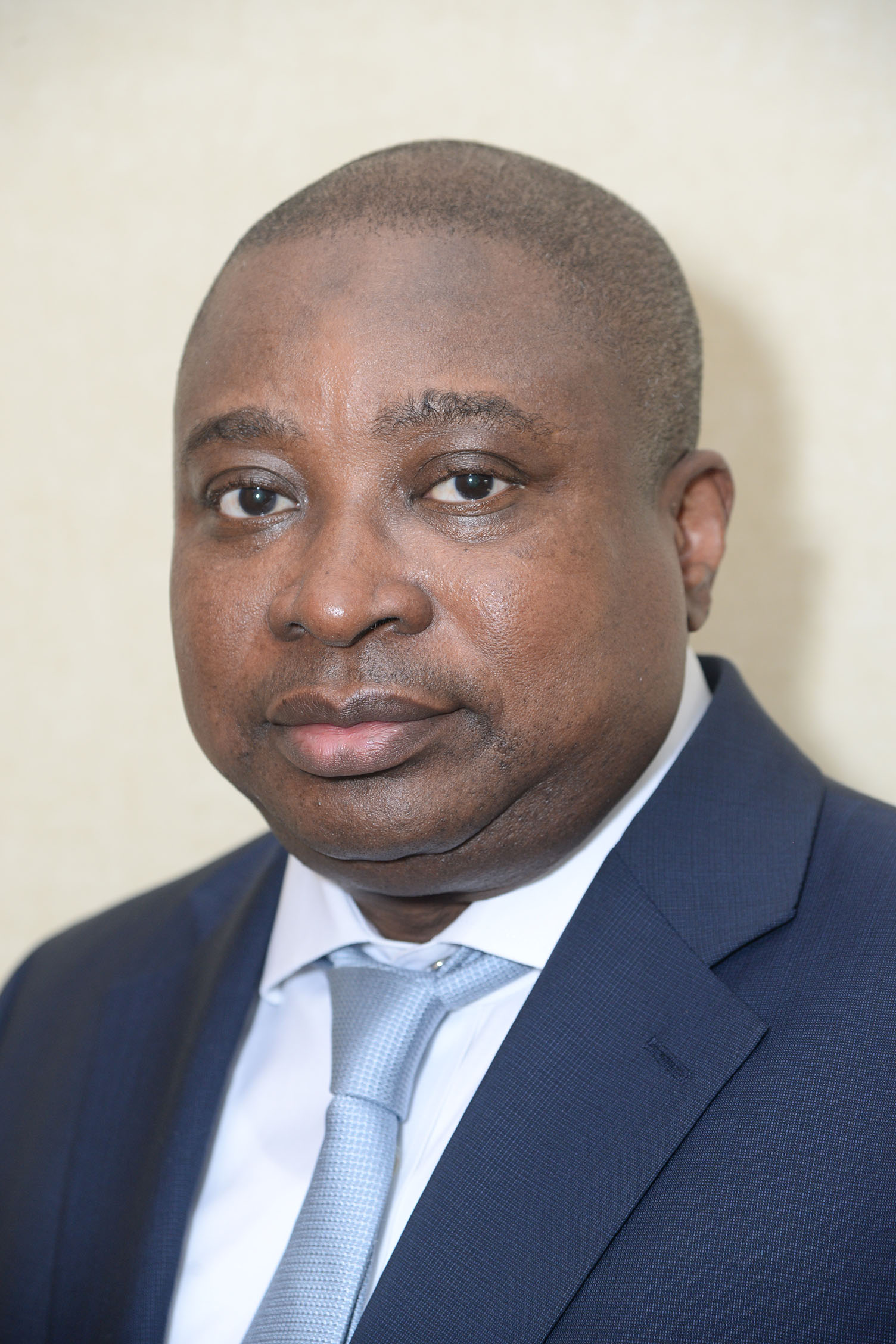
THE ongoing crisis in the Middle East is causing major shocks globally. However, Sierra Leone, according to Dr Ibrahim Stevens, Governor, Bank of Sierra Leone, is weathering the storm as efficiently as possible, having prudentially prepared itself for uncertainties with its 2024-2028 Strategic Plan.
While global supply chain disruptions may cause inflation to spike, Dr Stevens reckons that his country’s inflation rate, now at 6.9%, will remain in the “mid-single-digit range” owing to the BSL’s proactive policies. The Bank boss also assures development partners that the country’s economy is resilient enough to join in the West African sub-region’s monetary union’s implementation of its common currency, Eco, when it takes off as scheduled in July 2027.
The following excerpts from an exclusive interview with our editors reveal more of the BSL’s strategies at stabilising Sierra Leone’s financial system and growing economy, for the benefit of citizens and global partners at large.
What is the main focus of the Bank of Sierra Leone’s 2026 monetary policy?
The Bank of Sierra Leone’s monetary policy for 2026 is firmly anchored on maintaining price stability while safeguarding the foundations for sustainable economic growth. The policy framework seeks to consolidate the significant progress made in reducing inflation, ensure continued exchange rate stability, and preserve a predictable and transparent policy environment. In pursuing these goals, the Bank is focused on maintaining a delicate balance between supporting investment and protecting price stability, especially in an environment still characterised by imported inflation and persistent supply side rigidities. Accordingly, the Bank continues to apply a vigilant, data-driven approach to ensure that our monetary policy stance does not compromise the gains in inflation control.
Given the pass-through effects of exchange rate depreciation to domestic prices in Sierra Leone, the Bank will continue to focus on consolidating the gains in the foreign exchange market by building on the progress already achieved through prudent liquidity management, strengthened FX market discipline, and enhanced transparency—measures that have collectively contributed to a more stable and predictable exchange rate environment.
Complementing these measures is a renewed emphasis on the accumulation and prudent management of foreign exchange reserves. Adequate reserve buffers are critical for enhancing Sierra Leone’s resilience to external shocks—particularly fluctuations in global commodity prices and tightening international financial conditions.
Given the volatility in global oil markets and the potential for rapid domestic transmission via transport, energy, and food prices, the Bank is also prioritising policies that cushion the economy from cost push pressures. By maintaining stable monetary conditions and reinforcing macroeconomic fundamentals, the Bank aims to mitigate the impact of rising crude oil prices on households and businesses.
Together, these measures reflect a coherent and forward looking monetary policy agenda geared toward stability, resilience, and inclusive economic growth in 2026.
What is the inflation outlook for Sierra Leone in 2026 and the variables most likely to influence the inflation target for the year?
Maintaining price stability remains at the core of our mandate, and as we enter 2026, our assessment indicates that inflation will remain within the mid single digit range, though with notable upward pressures. The latest data show that annual inflation rose to 6.38% in January 2026, up from 4.35% in December 2025—its highest level since August, 2025. This uptick underscores the need for continued vigilance as we manage evolving domestic and external conditions.
The 2026 inflation outlook indicates that Sierra Leone is expected to maintain inflation within the mid single digit range, although upward pressures have intensified due to the ongoing US-Isreal-Iran conflict. While current projections, aligned with the IMF ECF program, indicate that inflation could average around 9% in 2026, the balance of risks is clearly tilted to the upside. The risks to the inflation outlook are shaped by several interconnected factors that have become more pronounced amid heightened geopolitical tensions. Global commodity prices—particularly fuel and food—remain the most significant external drivers given the country’s heavy reliance on imports, making domestic prices highly vulnerable to renewed volatility. Exchange rate dynamics also play a critical role; while the Leone has shown relative stability, underlying structural weaknesses mean that even modest depreciations can quickly feed into inflation. Fiscal pressures, including expenditure overruns and sizable debt servicing obligations, continue to influence price stability, though improved coordination between fiscal and monetary authorities has helped moderate some of these effects. Domestically, food supply conditions are especially important, as food accounts for about 40% of the CPI basket and is sensitive to weather patterns and agricultural productivity. Coupled with deeper structural challenges—such as limited financial sector depth and constrained private sector credit—these factors reduce the economy’s resilience to shocks and heighten inflation’s responsiveness to both global and domestic developments.
Let me emphasise that the Bank of Sierra Leone remains firmly committed to maintaining strong oversight of monetary conditions. As we have communicated in our fourth quarter 2025 MPC meeting, transparency and predictability will underpin our decision making, ensuring that policy adjustments are timely, well communicated, and grounded in evidence. Our vigilance on inflation is deliberate, given the risks posed by global price movements and domestic fiscal pressures.
It is clear that geopolitical happenings could affect global inflation. Which policy options are available to the Bank to stimulate economic growth?
To manage inflation risks while still supporting economic activity, we are prepared to deploy a balanced and forward looking set of policy measures. Our monetary stance will remain carefully calibrated, recognising that current inflationary pressures are largely driven by external supply shocks rather than domestic overheating. This means avoiding unnecessary tightening that could stifle demand while still acting decisively to anchor expectations. We will continue using strategic open market operations to ensure adequate liquidity, support credit flows to productive sectors, and maintain orderly conditions in the financial system. At the same time, we are strengthening resilience in the foreign exchange market through enhanced transparency, disciplined reserve management, and improved price discovery mechanisms—critical steps as global energy markets remain vulnerable to disruptions arising from the US-Isreal-Iran conflict. Alongside this, we are deepening credit intermediation, expanding SME access to finance through an improved credit registry and movable collateral framework, and promoting digital financial services to keep the economy dynamic despite tightening global financing conditions.
Equally important is ensuring that the broader financial system remains stable and inclusive. We are intensifying macroprudential oversight to safeguard banking sector soundness while expanding mobile money and agent banking networks to bolster household resilience—especially vital when global commodity prices are volatile. Strong coordination with fiscal authorities will also remain central to our approach, ensuring coherent macroeconomic management and preventing unnecessary liquidity pressures from domestic financing operations. Collaboration on food security initiatives is another key pillar, given the importance of reducing exposure to imported inflation. Finally, the Bank is committed to clear and consistent public communication, offering credible forward guidance to reinforce market confidence at a time when global markets remain sensitive to geopolitical risks and global economic dislocation. Together with efforts to build foreign exchange buffers and advance structural reforms in agriculture and manufacturing, this integrated strategy positions Sierra Leone to navigate global uncertainty while laying the foundation for sustainable, long term growth.
How would you appraise implementation of the Bank of Sierra Leone’s 2024–2028 Strategic Plan?
The Bank of Sierra Leone’s 2024–2028 Strategic Plan is progressing in a disciplined and results oriented manner, with all departments translating the strategy into measurable annual work plans and operating under strong governance and oversight structures. We are seeing tangible progress across our core pillars—from strengthening monetary policy and financial sector stability to modernizing payment systems—supported by a rigorous monitoring and evaluation framework that helps us address bottlenecks proactively. A major thrust of the strategy is digital and operational transformation, where we are upgrading data systems, enhancing cybersecurity, and automating key processes to build a more modern and efficient central bank. At the same time, we are investing heavily in human capital through targeted capacity building and strengthened performance management, which is already improving execution capabilities. Our partnerships with the Ministry of Finance, financial institutions, and development partners remain strong, enabling progress in financial inclusion, FX market reforms, and payment interoperability. Ultimately, these reforms are strengthening our ability to maintain price stability, support financial stability, and enhance market confidence, and I am pleased to say the momentum is firmly positive. Progress continues to be monitored through clearly defined and measurable targets, ensuring accountability, consistency, and sustained momentum in implementation.
Digital finance is growing in Sierra Leone, particularly with the rise of mobile money, but there is still significant under-inclusion of adults in formal financial systems. What are the Bank’s key initiatives to enhance digital infrastructure, improve payment interoperability, and expand access to financial services for women and rural communities to foster economic growth?
The Bank of Sierra Leone is spearheading a major shift toward a decentralised digital financial ecosystem to promote broader inclusion, particularly among women, rural communities, and the informal sector. While digital financial services—especially mobile money—have expanded, significant barriers remain due to limited institutional access, low financial literacy, and high transaction costs. To address these gaps, the Bank is strengthening national digital infrastructure through initiatives such as the National Payment Switch and Instant Payment Service, which enable real-time, low-cost, and interoperable transactions across banks, mobile operators, and fintechs. Partnerships with fintech firms, the establishment of a regulatory sandbox, and national fintech challenges further support secure and inclusive technological development. Under the National Strategy for Financial Inclusion (2022–2026), the Bank is also prioritizing agent banking, the digitization of government payments, and stronger consumer protection to build trust in digital systems. These initiatives have collectively contributed to significant progress in expanding financial inclusion in Sierra Leone from 29% in 2021 to 39% in 2024.
How is the Bank supporting the growth and development of small businesses?
SMEs are truly the backbone of Sierra Leone’s economy, and supporting their growth remains a central priority for the Bank of Sierra Leone. That is why we have rolled out a comprehensive set of interventions aimed at improving access to finance, strengthening the digital ecosystem, and creating an enabling environment for small businesses to thrive. The National Strategy for Financial Inclusion is already expanding access to affordable digital services, reducing transaction costs, and improving the reliability of payment systems—critical enablers for SME productivity. We are also working closely with commercial banks and development partners to ease the longstanding credit constraints that SMEs face. Initiatives such as Vista Bank’s flexible working capital lending products; the IFC’s $10 million local currency risk sharing facility with Access Bank—of which 25% targets women owned businesses—and the Bank of Sierra Leone’s Agricultural Credit Facility, which continues to provide targeted, concessional financing to agribusinesses and smallholder linked enterprises, are opening new financing channels for firms. Beyond this, we are helping to bridge the informal formal divide through blended finance programs supported by UNDP, enabling informal businesses to transition toward sustainable, formal operations. Collectively, these actions demonstrate our commitment to building a stronger SME ecosystem—one defined by better access to finance, modern digital infrastructure, and strategic partnerships that support inclusive, private sector driven growth.
The ‘Eco’ is a proposed single regional currency that Sierra Leone is actively collaborating with the rest of ECOWAS to implement by July 1, 2027. Is this achievable?
Sierra Leone remains committed to the ECOWAS vision of launching the single regional currency, the Eco, by 1 July 2027—a project aimed at deepening regional integration, reducing transaction costs, and strengthening intra regional trade. ECOWAS has reaffirmed this timeline, and recent consultations among central bank governors, including Sierra Leone, reflect strong commitment and ongoing technical work to align macroeconomic and institutional frameworks, with the possibility of beginning with a virtual (non physical) Eco to allow for a phased rollout. At the same time, we must acknowledge that inflation differentials and fiscal imbalances across some member states continue to pose challenges, underscoring the need for sustained macroeconomic discipline and adherence to convergence criteria to ensure the currency union’s credibility. So, is the 2027 target achievable? Yes—provided member states strengthen macroeconomic stability and continue advancing convergence efforts. Sierra Leone remains a constructive and fully committed participant in this process, and I would add that the Bank of Sierra Leone currently serves as the Chair of the Committee of Governors of ECOWAS Central Banks, helping to steer this work at the regional level.
How do you think the adoption of the Eco would affect your economy?
The adoption of the Eco has the potential to be strongly beneficial for Sierra Leone, provided it is implemented on a foundation of macroeconomic stability and sound convergence. A well designed regional currency would help reduce transaction costs, simplify cross border payments, and strengthen intra regional trade—important opportunities for a small, open economy like ours. It would also enhance price transparency and improve the business environment for exporters and SMEs, who currently face high conversion costs when trading within ECOWAS. At the same time, joining a currency union requires discipline, because we would be integrating into a system that relies on collective stability; inflation differentials, fiscal deficits, and reserve adequacy become even more critical under a common currency. That is why Sierra Leone is already aligning its macroeconomic framework to meet the required convergence criteria. In short, the Eco could support trade, investment, and broader economic diversification for Sierra Leone, but its success will depend on sustained macroeconomic discipline—both nationally and across the region.