


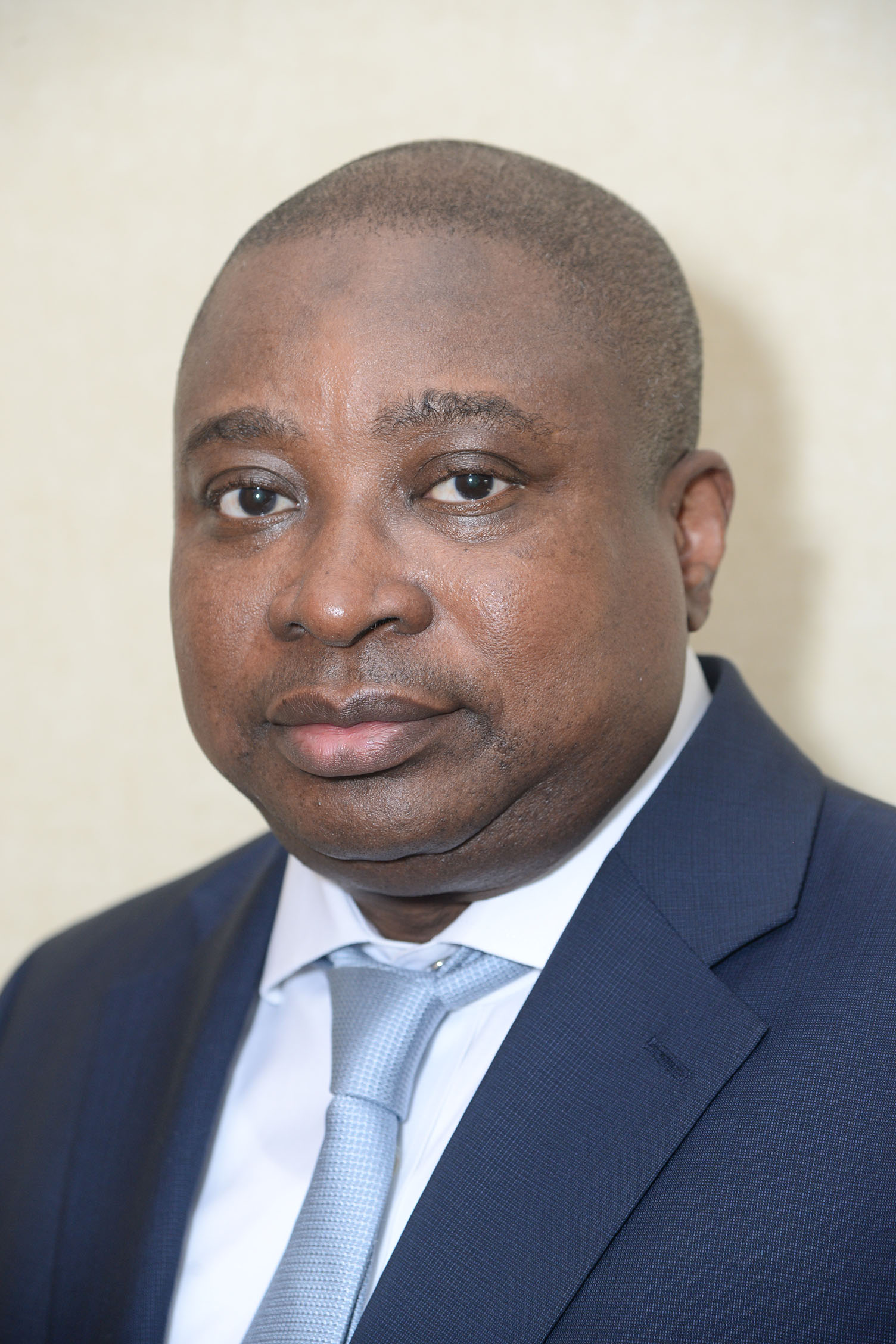
While the Bank of Sierra Leone (BSL) may rightly be credited with the effort of stabilising the country’s hitherto riotous foreign exchange market and halting inflation’s skyward “joyride”, Bank Governor Dr. Ibrahim Stevens, cool as ever, would not let anyone miss or forget the indispensable and equally important role of the country’s top leadership and fiscal authorities. At a time when inflation rates are riotously spiralling upwards across the continent, Sierra Leone has witnessed an unimaginable decline.
Unflappable in the hallowed tradition of central bankers and monetary policymakers, Dr Stevens breaks down the tough, esoteric business of central banking with specific focus and reference to his remit and constituency, Sierra Leone’s economy. In this exclusive interview, he also unearths the salient truths about his country’s financial sector and the yawning, untapped opportunities for investors, especially the emerging landscape of fintechs, agriculture value chain financing, and infrastructure development.
He delves, albeit lightly, into the Bank’s ongoing reforms to enhance transparency, digitalisation, strengthen financial sector regulation and market-based innovation, which are invaluable for achieving competitiveness in the fast-changing global financial-cum-economic architecture. It is a quick, digestible insight into Sierra Leone’s emerging financial sector and rapidly upgrading financial system.
How would you appraise the launch of the Bank of Sierra Leone’s 2024–2028 Strategic Plan, and to what extent do you believe the implementation aligns with expected outcomes?
The launch of the 2024–2028 strategic plan marks a pivotal step towards strengthening the Bank’s institutional capacity, modernising its operations, and fostering macroeconomic stability. Notably, the plan was developed with 100% in-house staff input, through a consultative process that engaged employees at all levels of the institution, including management and the Board. This inclusive approach ensured that the Strategic Plan reflects a shared vision and collective ownership, enhancing its relevance and practicality. It outlines clear priorities to enhance price stability, deepen financial inclusion, improve payment systems, and promote a sound and resilient financial sector. Implementation is already on track, as demonstrated by the roll-out of key initiatives such as the National Payment Switch, modernisation of data and analytics systems for policy decision-making, and enhanced supervisory frameworks for banks and non-bank financial institutions. These efforts are expected to achieve the intended outcomes of stronger monetary policy transmission, a more diversified financial system, and greater alignment with Sierra Leone’s broader development agenda.
Sierra Leone has experienced a significant reduction in inflation, falling from 13.78% in December 2024 to 5.85% as of August 2025. What magic wand does the Bank of Sierra Leone use to achieve such feats?
The remarkable reduction in inflation from 13.78% in December 2024 to 5.85% as of August 2025 reflects the Bank’s steadfast commitment to price stability, underpinned by our timely adjustments to the Monetary Policy Rate, enhanced liquidity management, coupled with a coordinated mix of monetary policy actions and prudent fiscal consolidation. These policies have collectively contributed to a more stable economic environment. Furthermore, our collaborative efforts with the Ministry of Finance have been instrumental in improving fiscal discipline and driving structural reforms aimed at boosting domestic food production and addressing supply-side bottlenecks.
Building on this momentum, the foreign exchange market has demonstrated remarkable stability, driven by growing confidence in the economy and prudent monetary policy measures. Notably, this confidence, underpinned by the Bank’s commitment to price stability and low inflation, has been instrumental in maintaining market confidence and supporting the stability of the Leone.
Geopolitical developments pose risks to global inflation. To what extent do you believe the current trend in domestic inflation provides policy space for growth?
While global geopolitical tensions continue to pose risks to commodity prices and global inflation, Sierra Leone’s declining domestic inflation offers much-needed policy space to stimulate sustainable economic growth. The reduction in inflation has lowered the cost of borrowing, eased pressure on household purchasing power, and created room for private sector credit expansion. This environment supports increased investment in productive sectors such as agriculture, manufacturing, and services, thereby enhancing job creation and economic diversification. However, the Bank remains vigilant to external shocks, maintaining a balance between fostering growth and safeguarding macroeconomic stability through data-driven policy decisions.
While many African currencies are facing substantial exchange rate volatility and depreciating pressures, the Leone has maintained a sustained level of stability for the longest time in recent history. What would you attribute this to?
The sustained stability of the Leone, despite global currency volatility, is primarily attributed to the Bank’s prudent foreign exchange management and enhanced transparency in the FX market. The introduction of market-based mechanisms, alongside tighter measures to curb speculative activities, has restored confidence in the currency. Additionally, the improved macroeconomic fundamentals, supported by stronger fiscal-monetary coordination and increased inflows from exports and remittances, have helped to anchor expectations and prevent destabilising pressures on the Leone.
Despite the Sierra Leonean banking sector’s resiliency, excellent profitability, and capitalisation, there are concerns about the risks associated with the sector’s heavy reliance on government securities for earnings. What are your thoughts on this?
Although the banking sector’s profitability and capitalisation remain strong, the heavy reliance on government securities for earnings raises concerns about concentration risk and limited credit to the real economy. The Bank acknowledges this challenge and is implementing policies to incentivise banks to increase lending to productive sectors, especially the Micro, Small and Medium Enterprises (MSMEs). This includes revising prudential guidelines to support risk-based lending, improving the credit reference system, and promoting the establishment of credit guarantee schemes to reduce perceived risks associated with private sector lending. Diversifying banks’ asset portfolios is critical for long-term financial stability and inclusive economic growth.
What informed the recent lowering of the Monetary Policy Rate?
The recent reduction of the Monetary Policy Rate was informed by the sustained downward trajectory of inflation, sustained stability of the exchange rate, and favourable macroeconomic conditions that warranted a more accommodative stance to support economic recovery. The decision followed rigorous analysis of key economic indicators, including private sector credit growth, real sector performance, and global developments. The objective is to reduce the cost of borrowing, stimulate investment and consumption, and reinforce confidence in the economy while maintaining vigilance to inflationary pressures.
The National Payment Switch was launched as part of a broader initiative aimed at enhancing financial inclusion and facilitating digital financial transactions. To what extent has the financial sector adapted to the initiative?
The launch of the National Payment Switch has been a game changer in Sierra Leone’s financial landscape, significantly advancing digital financial inclusion and interoperability between banks, mobile money operators, and other payment service providers. Financial institutions have increasingly integrated with the system, resulting in greater efficiency, lower transaction costs, and expanded access to digital payment services, especially in rural areas. The Bank continues to provide regulatory oversight and technical support to ensure the infrastructure is robust, secure, and capable of meeting the growing demand for digital financial services.
Cyber security risks and banking fraud are on the rise globally, with reports saying that Africa is most vulnerable due to lax financial regulation and infrastructure. How is the Bank of Sierra Leone addressing these emerging challenges?
Recognising the rising threat of cybercrime and fraud in the banking system, the Bank of Sierra Leone has taken proactive steps to strengthen cyber resilience within the financial sector. This includes the issuance of a Cybersecurity Regulatory Framework, mandatory reporting requirements for cyber incidents, and the establishment of a Financial Sector Computer Security Incident Response Team (CSIRT). The Bank also conducts regular stress tests and capacity-building programmes for financial institutions, ensuring they adopt global best practices in cybersecurity and fraud prevention while working with international partners to strengthen regulatory frameworks.
How is the Bank supporting the growth and development of Micro, Small and Medium Enterprises (MSMEs)?
The Bank is committed to fostering the growth of Micro, Small, and Medium Enterprises (MSMEs) by promoting access to finance and creating an enabling environment for entrepreneurship. Key initiatives include the implementation of policies that incentivise banks to extend credit to MSMEs, the establishment of financial literacy programmes, and the strengthening of digital financial services to reduce transaction barriers for small businesses. Additionally, the Bank collaborates with development partners to expand credit guarantee schemes and concessional financing options tailored to the needs of MSMEs, recognising their critical role in job creation and economic diversification.
Analysts say that the Sierra Leonean financial sector has huge untapped potential, creating several investment opportunities. Do you agree with this claim? If yes, what are the opportunities and the Bank’s efforts to open up the market to international investors?
There is indeed substantial untapped potential in Sierra Leone’s financial sector, offering opportunities for both domestic and international investors. The country’s growing digital financial ecosystem, stable macroeconomic environment, and ongoing reforms to improve ease of doing business provide a strong basis for investment. Opportunities exist in areas such as fintech, agriculture value-chain financing, infrastructure development, and green finance. The Bank continues to implement reforms to enhance transparency, strengthen financial sector regulation, and foster market-based innovations to attract foreign investment, all while ensuring that financial sector growth is inclusive and sustainable.
What is the outlook for Sierra Leone’s banking industry in the next five years?
Over the next five years, Sierra Leone’s banking industry is poised for significant transformation driven by digitalisation, regulatory reforms, and deepening financial inclusion. The sector is expected to become more competitive and innovative, with increased adoption of technology to enhance service delivery and expand access to financial services. Strengthened supervisory frameworks and risk-based regulation will ensure resilience and stability, while ongoing efforts to diversify banks’ asset portfolios will promote greater credit to the productive sectors of the economy. Collectively, these developments will position the banking industry as a key driver of inclusive growth and sustainable economic development.